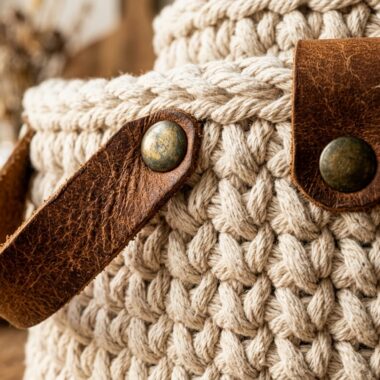
Looking for a stunning, closed-texture crochet stitch that is completely reversible and deceptively easy to master? Meet the Suzette stitch! Created with a simple one-row repeat of alternating single and double crochet stitches worked into the exact same space, this classic textured pattern produces a dense, nubby fabric with zero gaping holes.

Whether you are designing a cozy baby blanket, thick kitchen washcloth, elegant fall cardigan, or winter scarf, the Suzette stitch offers the ideal blend of structure, squish, and visual intrigue. Because it relies solely on the two most foundational stitches in crochet—the single crochet (sc) and double crochet (dc)—even confident beginners can fly through rows without constantly consulting a complex chart.
Why You’ll Love the Suzette Stitch
- Effortless 1-Row Repeat: Once you establish the foundation row, every single row follows the exact same rhythmic repeat: [1 sc, 1 dc] into the single crochet below, skip the double crochet.
- 100% Reversible: The fabric looks identical from both sides—no “wrong side” or curling edges, making it spectacular for afghans, throws, and scarves.
- Solid & Modest: Creates a firm, closed weave without gaps or eyelets, keeping little fingers safe in baby blankets and providing maximum thermal warmth.
- Flat Non-Curling Edges: Unlike stockinette in knitting or single crochet back-loop ribbing, the Suzette stitch maintains crisp, straight vertical borders that rarely pull inward.
Recommended Yarn & Hook Pairings

- For Dishcloths & Spa Washcloths: Medium Worsted Weight (#4) 100% cotton yarn (e.g., Lily Sugar ‘n Cream or KnitPicks Dishie) paired with a US Size H-8 (5.0 mm) hook.
- For Blankets & Throws: Worsted or DK weight acrylic/wool blend (e.g., Lion Brand Wool-Ease or Paintbox Simply Aran) paired with a US Size I-9 (5.5 mm) hook for supple, cozy drape.
- For Winter Scarves & Cowls: Bulky/Chunky (#5) yarn paired with a US Size K-10.5 (6.5 mm) hook for rapid progress and plush squishiness.
Crochet Abbreviations & Stitch Key
Written in standard US Crochet Terminology.
- Ch: Chain
- Sc: Single Crochet
- Dc: Double Crochet
- Sk: Skip
- St(s): Stitch(es)
- Rep: Repeat
Stitch Multiple: The Suzette stitch requires any even number of foundation chains (or an odd number of working stitches plus 1 turning chain). For example: Ch 20, 24, 30, or 40.
Step-by-Step Suzette Stitch Tutorial

1. Foundation Chain & Row 1
Foundation: Start by chaining any even number of chains. For a generous 8×8 inch practice washcloth, chain 28 loosely.
Row 1: Work [1 sc, 1 dc] into the 2nd chain from your hook.
*Skip the next chain. Work [1 sc, 1 dc] into the following chain.
Repeat from * across until exactly 2 chains remain on your hook.
Skip the next chain, and work 1 sc only into the very last chain. Turn.
2. The 1-Row Repeat (Row 2 and Beyond)
Row 2: Ch 1 (does not count as a stitch). Work [1 sc, 1 dc] into the very first single crochet stitch (the last stitch of the previous row).
*Skip the next double crochet stitch.
Work [1 sc, 1 dc] into the next single crochet stitch.
Repeat from * across the row until only 2 stitches remain.
Skip the final double crochet stitch, and work 1 sc only into the top of the turning chain / final single crochet stitch. Turn.
Rows 3 and Onward: Simply repeat Row 2 until your work reaches your desired length! To finish, work your final row, cut yarn leaving a 6-inch tail, fasten off, and weave in all ends with a tapestry needle.
3 Golden Rules for Crisp, Flawless Edges
1. Always Anchor into the Single Crochet: The magic of the Suzette stitch lies in working your (sc, dc) pair into the short single crochet stitch of the previous row while skipping over the taller double crochet post. This slant forces the double crochet to lean diagonally, locking the stitches into a textured pebble formation.
2. End Every Row with a Single Crochet: A common mistake beginners make is finishing the row with another (sc, dc) cluster. Ending with a solitary single crochet is what squares off the final corner and keeps your side edges laser-straight without wavy bulges.
3. Keep Foundation Chains Relaxed: Because the Suzette stitch creates dense horizontal tension, a tight foundation chain will cause the bottom edge to bow like a smile. Always use a hook 0.5 mm larger for the starting chain, then switch to your working hook for Row 1.
Best Projects for the Suzette Stitch

- Farmhouse Spa Dishcloths & Towels: The textured nubs provide gentle, non-abrasive scrubbing power in the kitchen and bathroom while drying quickly between uses.
- Heirloom Baby Blankets: The dense, hole-free construction ensures newborn fingers and toes never get snagged, while providing rich, pillowy softness.
- Textured Throw Pillows & Cushions: Stitched with chunky wool yarn, Suzette fabric looks strikingly similar to high-end woven boutique textiles.
- Cold-Weather Beanies & Cowls: The wind-resistant closed weave blocks cold drafts while draping comfortably against the skin.
Frequently Asked Questions
How does the Suzette stitch differ from the Lemon Peel stitch?
While both stitches use alternating single and double crochet, the Lemon Peel stitch works 1 sc in one stitch, followed by 1 dc in the next stitch. The Suzette stitch works both the sc and dc into the same stitch, then skips a stitch—creating a more prominent diagonal textured ridge.
Does the Suzette stitch use a lot of yarn?
Because it is a dense, closed texture, the Suzette stitch uses approximately 10% to 15% more yarn than plain double crochet, but noticeably less yarn than puff stitches, bobbles, or the alpine stitch.
Does this stitch require blocking?
For cotton dishcloths, gentle hand shaping when wet is plenty. For larger blankets or wearable garments made of wool or acrylic, steam blocking or wet blocking helps open the drape and ensures crisp, straight borders.
Pin This Tutorial for Later

Love this stitch tutorial? Save it to your Pinterest Crochet Stitches or DIY Patterns board so you can reference the step-by-step photos whenever you start your next cozy blanket!